
By Archstone Dental & Orthodontics | October 2, 2026
Tooth removal is a common dental procedure, but proper aftercare is essential for comfortable healing. Whether a tooth has been removed because of severe decay, gum disease, overcrowding, or damage, the first few days after the procedure require special attention. Certain activities, foods, and habits can disturb the extraction site, increase discomfort, or delay recovery.
For patients in Fort Worth, understanding what to avoid after a dental procedure can help prevent complications and support a smoother healing process. With the right care, most extraction sites heal without significant problems. Knowing how to protect the blood clot, manage swelling, and maintain oral hygiene can make a meaningful difference during recovery.
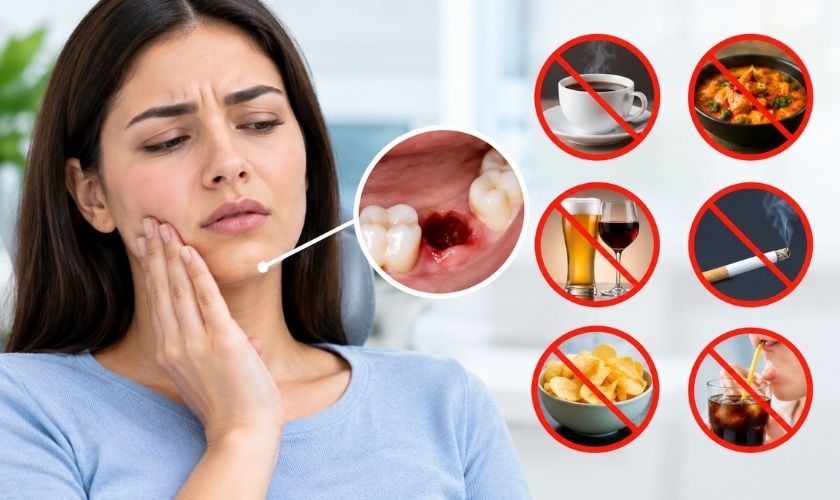
1. Avoid Smoking and Tobacco Products
Smoking is one of the most important habits to avoid after having a tooth removed. The suction created while inhaling can disturb the blood clot that forms in the empty socket. Tobacco chemicals can also interfere with healing and increase the risk of infection.
If the blood clot becomes dislodged, a painful condition called dry socket may develop. This can cause intense pain that radiates toward the ear or jaw.
Avoid smoking, vaping, and other tobacco products during the initial healing period. Many dental professionals recommend avoiding them for at least 72 hours, and longer is preferable when possible. Follow your dentist’s specific instructions for your situation.
2. Do Not Use Straws or Create Suction
Using a straw may seem harmless, but the sucking action can dislodge the protective blood clot at the extraction site. Similar risks can occur when forcefully spitting or creating suction inside the mouth.
During the first several days:
- Drink directly from a cup instead of using a straw.
- Avoid forceful spitting.
- Swallow gently after drinking.
- Follow your dentist’s instructions if you need to rinse your mouth.
Protecting the blood clot is particularly important during the first 24 hours, when the socket begins its initial healing process.
3. Stay Away From Hard, Crunchy, and Chewy Foods
Your extraction site may be sensitive after the procedure, so choosing soft foods can reduce irritation. Hard or crunchy foods may injure the area, while small particles can become trapped in the socket.
Avoid foods such as chips, popcorn, nuts, hard candy, crusty bread, and tough meats during the early healing period. Sticky sweets and chewy foods may also cause discomfort.
Instead, choose soft options such as yogurt, mashed potatoes, scrambled eggs, applesauce, oatmeal that has cooled, and lukewarm soup. Eat slowly and chew on the opposite side of your mouth when possible.
As your comfort improves, gradually return to your normal diet according to your dentist’s recommendations.
4. Avoid Hot Foods and Drinks Immediately After Extraction
Very hot foods and beverages can irritate sensitive tissues and may encourage bleeding, particularly while the area is still fresh. Your mouth may also feel numb for a while after the procedure, increasing the risk of accidentally burning yourself.
Choose cool or lukewarm foods and drinks during the initial recovery period. Avoid extremely hot coffee, tea, soup, and other beverages until the numbness has worn off and bleeding is controlled.
Do not use heat directly on the extraction site unless your dentist specifically recommends it. Follow any instructions about managing swelling and discomfort.
5. Do Not Rinse or Brush Aggressively
Keeping your mouth clean is important, but excessive rinsing or brushing near the socket can disturb the healing clot. Avoid vigorous rinsing, forceful gargling, and brushing directly over the extraction site during the first 24 hours.
After the first day, gentle warm saltwater rinses may help keep the area clean if recommended by your dentist. Let the solution fall from your mouth rather than spitting forcefully.
Continue brushing and flossing your other teeth carefully. Use a soft-bristled toothbrush and avoid disturbing the surgical area. If your dentist provides special cleaning instructions, follow those directions instead of your usual routine.
6. Avoid Strenuous Exercise and Heavy Lifting
Physical activity increases your heart rate and blood pressure, which may contribute to renewed bleeding or throbbing around the extraction site.
Rest on the day of the procedure and avoid strenuous workouts, heavy lifting, running, and intense sports for at least 24–48 hours, or longer if your dentist advises. More complicated extractions may require additional recovery time.
When resting, keep your head slightly elevated with an extra pillow if comfortable. Resume your regular activities gradually, paying attention to pain, swelling, or renewed bleeding.
7. Do Not Ignore Your Prescribed Medication Instructions
Pain, tenderness, and mild swelling are common after an extraction. However, taking medication incorrectly can cause unnecessary problems or interfere with recovery.
Take prescribed medicines exactly as directed. Do not exceed the recommended dose of over-the-counter pain relievers, combine medicines without checking their ingredients, or stop prescribed antibiotics early without speaking with your healthcare professional.
Avoid drinking alcohol while taking medications that may interact with it, particularly opioid pain medicines and certain antibiotics. If you are unsure whether a medication is suitable for you, ask your dentist or pharmacist.
Never place aspirin tablets directly against your gums, as this can irritate or damage the tissues.
8. Avoid Touching or Disturbing the Extraction Socket
It can be tempting to examine the empty socket with your tongue, fingers, or other objects. However, repeatedly touching the area may introduce bacteria, irritate healing tissues, or dislodge the blood clot.
Do not use toothpicks, cotton swabs, or other objects to remove material from the socket. A whitish or yellowish appearance can sometimes be part of normal healing and does not automatically indicate infection.
If food becomes trapped or you are concerned about the appearance of the area, follow your dentist’s cleaning instructions rather than trying to remove it yourself.
9. When Should You Contact Your Dentist?
Some soreness, mild bleeding, and swelling are expected after tooth removal. These symptoms should generally begin improving over the following days, although the exact timeline depends on the complexity of the procedure.
Seek prompt dental advice if you experience severe or worsening pain, persistent bleeding that does not respond to the recommended pressure, fever, pus, or swelling that continues to increase. Difficulty breathing or swallowing requires emergency medical attention.
Patients receiving care at Archstone Dental & Orthodontics can ask their dental team about appropriate aftercare for their individual procedure. Patients visiting the Alta Mere or Hulen locations in Fort Worth should follow the specific recovery instructions provided by their treating dentist.
For questions about recovery, medication instructions, or symptoms that concern you, contact us to discuss your situation with the dental team. If you need an examination because healing does not seem to be progressing normally, arrange appropriate dental care rather than waiting for the symptoms to become severe.
10. Simple Tips for a Smoother Recovery
A few consistent habits can help protect the extraction site and make the healing period more manageable:
- Rest adequately during the first day.
- Drink plenty of water without using a straw.
- Eat soft foods that are not too hot.
- Keep the area clean without vigorous rinsing.
- Use a cold compress during the initial period if recommended.
- Follow your dentist’s medication and follow-up instructions.
- Avoid smoking and strenuous exercise while healing.
Recovery varies from person to person. Simple extractions may heal relatively quickly, while surgical extractions or wisdom tooth removal can require more time. If you are preparing for a procedure or have recently had a tooth removed, visit our dental office for professional guidance tailored to your needs.
Frequently Asked Questions
- How long should I avoid smoking after tooth extraction?
Avoid smoking for at least 72 hours, although waiting longer is better for healing. Smoking can disturb the blood clot, delay tissue repair, and increase the risk of developing a painful dry socket.
- Can I drink coffee after tooth extraction?
Yes, but avoid hot coffee during the initial recovery period. Choose a cool or lukewarm drink once bleeding is controlled, and avoid using a straw because suction may disturb the protective blood clot.
- When can I eat solid food after tooth extraction?
Many people can gradually reintroduce firmer foods after a few days, depending on comfort and healing. Start with soft foods, chew away from the extraction site, and follow your dentist’s individual recommendations.
- Is it safe to brush my teeth after tooth extraction?
Yes, you can usually brush your other teeth carefully on the day of extraction. Avoid brushing directly over the socket, and do not rinse vigorously during the first 24 hours unless your dentist gives different instructions.
- Can I exercise after tooth extraction?
Rest on the day of your procedure and avoid strenuous activity for at least 24–48 hours. Exercise too soon can increase bleeding and throbbing, so return to your usual routine gradually as your recovery allows.
- What happens if the blood clot comes out after tooth extraction?
Losing the blood clot can expose underlying bone and nerves, potentially causing dry socket. Symptoms may include severe pain that worsens after a few days, an unpleasant taste, or pain radiating toward the ear.
- How do I know if my extraction site is infected?
Possible signs include worsening pain, increasing swelling, fever, pus, or a persistent unpleasant taste. Mild soreness is common, but symptoms that worsen rather than improve should be evaluated by a dental professional.