
By Archstone Dental & Orthodontics | September 7, 2026
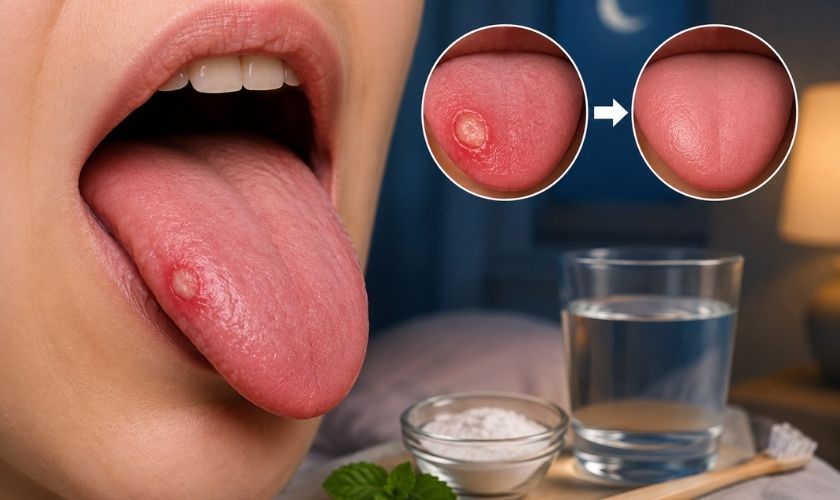
A tongue ulcer can turn something as simple as eating, talking, or drinking water into a painful chore. These small, shallow sores often show up out of nowhere and can make daily life uncomfortable until they heal. While tongue ulcers typically clear up on their own within a week or so, there are proven ways to ease the pain quickly and speed up recovery. At Archstone Dental & Orthodontics Granbury, we want our Granbury, TX neighbors to know how to find fast relief and when a sore on the tongue might need professional attention.
What Causes Tongue Ulcers?
Tongue ulcers, often called canker sores when they appear on soft tissue, can develop for several reasons. Understanding the cause can help you avoid triggering them again in the future.
Common causes include:
- Accidental bites or trauma, such as biting your tongue while eating or talking
- Sharp or hot foods that irritate the tongue’s surface
- Stress or lack of sleep, which can weaken your body’s defenses
- Vitamin deficiencies, particularly B12, iron, or folate
- Hormonal changes, common during menstrual cycles
- Acidic or spicy foods that inflame sensitive tissue
- Irritation from braces or dental appliances
Most tongue ulcers are harmless and heal without lasting effects, but knowing what triggers yours can help you prevent repeat flare-ups.
Fast, At-Home Relief Tips
While a tongue ulcer won’t disappear completely overnight, these methods can dramatically reduce pain and encourage faster healing:
Rinse with warm salt water. Salt water helps cleanse the area and reduce bacteria that can slow healing. Rinse gently for 30 seconds, several times a day.
Try a baking soda rinse. Mixing baking soda with warm water creates a rinse that can help neutralize acidity and soothe irritation.
Apply a cold compress or ice. Holding a small ice chip against the ulcer, or sucking on ice, can numb the area and reduce swelling almost immediately.
Use over-the-counter numbing gel. Topical gels containing benzocaine can provide short-term pain relief, especially before eating.
Avoid trigger foods. Steer clear of spicy, salty, acidic, or crunchy foods that can further irritate the sore while it heals.
Dab on some honey. Honey has natural antibacterial properties and may help calm inflammation when applied directly to the ulcer.
Stay hydrated and rest well. Proper hydration and sleep support your immune system, which plays a big role in how quickly the sore heals.
Combining a few of these methods, such as a salt water rinse followed by a numbing gel before bed, often provides the most noticeable relief by morning.
When a Tongue Sore Needs More Than Home Care
Most tongue ulcers heal within seven to ten days without any special treatment. However, certain signs suggest it’s time to have the sore evaluated rather than waiting it out:
- The ulcer lasts longer than two weeks
- It keeps growing larger instead of healing
- You develop multiple ulcers at once
- The sore is unusually painful or interferes with eating and speaking
- You notice fever, swollen glands, or other signs of infection
- Ulcers keep recurring frequently
- The sore has an unusual color, texture, or hard edges
Persistent or unusual sores can sometimes point to an underlying issue, such as a nutritional deficiency, an infection, or irritation from a dental appliance that needs adjustment. In rare cases, a sore that won’t heal should be examined more closely to rule out other conditions.
Preventing Future Tongue Ulcers
Once your current ulcer has healed, a few simple habits can lower your chances of dealing with another one:
- Use a soft-bristled toothbrush to reduce accidental trauma
- Eat slowly and mindfully to avoid biting your tongue
- Limit acidic, spicy, and rough-textured foods when possible
- Manage stress through regular sleep and relaxation
- Maintain a balanced diet rich in vitamins and minerals
- Stay on top of routine dental checkups
Small adjustments to your daily habits can make a noticeable difference in how often these sores appear.
Final Thoughts
Tongue ulcers are uncomfortable, but most can be managed effectively with simple home remedies like salt water rinses, cold therapy, and avoiding irritating foods. Relief often comes faster than the sore fully heals, so a combination of these tips can make the next few days much more bearable.
If your tongue ulcer isn’t improving, keeps coming back, or seems unusually severe, our team is here to help. Contact us to ask questions or schedule a visit, and when you’re ready for a closer look, visit our dental office in Granbury, TX, for a thorough evaluation and personalized care.
Frequently Asked Questions
1. Can a tongue ulcer really heal overnight?
Complete healing overnight isn’t realistic, but combining salt water rinses, cold therapy, and numbing gel can significantly reduce pain and swelling by the next morning.
2. Why do tongue ulcers hurt so much?
The tongue has many nerve endings, and it constantly moves while eating and talking, which keeps irritating the exposed, sensitive tissue of the ulcer.
3. Are tongue ulcers contagious?
No, common tongue ulcers like canker sores are not contagious. They differ from cold sores, which are caused by a virus and can spread to others.
4. What vitamin deficiency causes tongue ulcers?
Low levels of vitamin B12, iron, or folate are commonly linked to recurring tongue ulcers, making a balanced diet important for prevention.
5. Should I avoid brushing near a tongue ulcer?
You should still brush your teeth, but use a soft-bristled brush and avoid directly scrubbing the ulcer to prevent further irritation and pain.
6. Can stress really trigger tongue ulcers?
Yes, high stress levels can weaken your immune response, making it easier for minor tongue irritation to develop into a full ulcer.
7. When should a tongue ulcer be checked by a professional?
If a sore lasts longer than two weeks, keeps growing, or recurs frequently, it’s worth having it examined to rule out other underlying causes.