
By Archstone Dental & Orthodontics | September 3, 2026
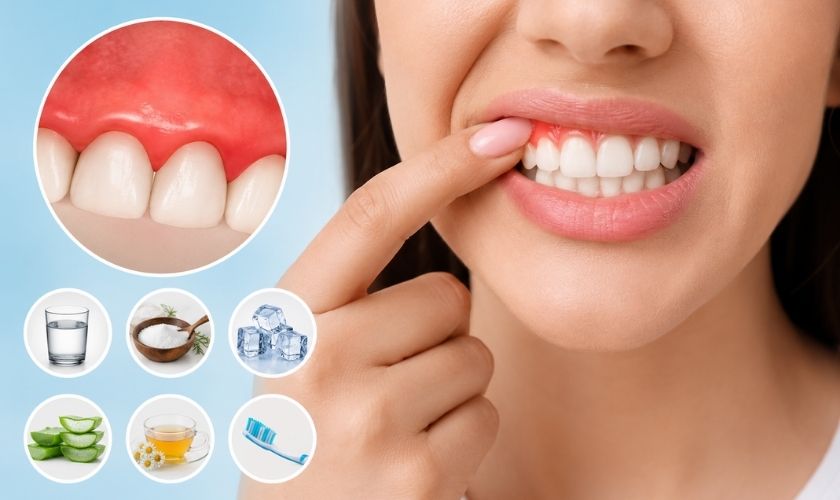
Swollen gums are one of the most common dental concerns patients bring up, and for good reason. Puffy, tender, or red gum tissue can make everyday activities like eating, brushing, and even smiling feel uncomfortable. While occasional mild irritation isn’t unusual, persistent gum swelling is often your mouth’s way of signaling that something needs attention. At Archstone Dental & Orthodontics, we want our patients to understand what causes gum swelling, how to manage it at home, and when professional care becomes necessary.
What Causes Swollen Gums?
Gum swelling can stem from a variety of sources, ranging from simple habits to underlying oral health conditions. The most frequent cause is plaque buildup along the gumline. When plaque isn’t removed through regular brushing and flossing, it hardens into tartar, which irritates gum tissue and leads to inflammation known as gingivitis.
Other common culprits include:
- Poor oral hygiene habits that allow bacteria to accumulate
- Hormonal changes, particularly during pregnancy or puberty
- Vitamin deficiencies, especially low vitamin C
- Ill-fitting dental appliances, such as dentures or braces that rub against the gums
- Certain medications that list gum changes as a side effect
- Infections, including abscesses or periodontal disease
- Aggressive brushing with a hard-bristled toothbrush
Identifying the root cause is important because treating swollen gums effectively depends on knowing why they became inflamed in the first place.
Simple Ways to Reduce Gum Swelling at Home
For mild, occasional swelling, several home care steps can bring relief and support healing:
Rinse with warm salt water. A saltwater rinse a few times a day can help reduce bacteria and soothe irritated tissue naturally.
Switch to a soft-bristled toothbrush. Gentle brushing twice daily removes plaque without further aggravating sensitive gums.
Floss carefully but consistently. Daily flossing clears debris from between teeth that brushing alone can miss, reducing one of the main triggers of inflammation.
Stay hydrated. Drinking plenty of water helps rinse away food particles and bacteria throughout the day.
Apply a cold compress. Holding a cold compress against the outside of your cheek can temporarily ease swelling and discomfort.
Reconsider your diet. Cutting back on sugary or acidic foods and adding more vitamin C–rich foods, like citrus fruits and leafy greens, supports healthier gum tissue.
Avoid tobacco products. Smoking and vaping are well known to worsen gum inflammation and slow healing.
These strategies work well for minor, short-term swelling, but they aren’t a substitute for professional evaluation when symptoms persist.
When Gum Swelling Signals a Bigger Problem
Not all gum swelling resolves with home care alone. Certain symptoms suggest it’s time to seek professional guidance rather than waiting it out:
- Swelling that lasts longer than a week or two
- Gums that bleed easily during brushing or flossing
- Persistent bad breath despite good hygiene
- Gums that appear to be pulling away from the teeth
- Visible pus or discharge near the gumline
- Loose teeth or changes in your bite
- Swelling accompanied by fever or facial pain
These signs can point to gum disease progressing beyond gingivitis into periodontitis, a more serious condition that affects the structures supporting your teeth. Left untreated, advanced gum disease can lead to tooth loss and has even been linked to broader health concerns, including cardiovascular issues.
Professional Treatment Options
When home remedies aren’t enough, a dental team can offer treatments tailored to the severity of the swelling. These may include professional cleanings to remove hardened tartar, deep cleaning procedures like scaling and root planing, or addressing contributing factors such as ill-fitting appliances or medication side effects. In some cases, further evaluation may be needed to rule out infection or other oral health conditions.
A thorough exam allows your dental provider to pinpoint exactly what’s driving the inflammation and create a plan suited to your specific situation, rather than relying on guesswork.
Prevention Is Always Easier Than Treatment
The best approach to gum swelling is preventing it before it starts. Consistent brushing and flossing, routine dental cleanings, a balanced diet, and avoiding tobacco all go a long way toward keeping gum tissue healthy. Regular checkups also allow small issues to be caught early, before they develop into more uncomfortable or costly problems.
Gum health is closely tied to your overall well-being, so it’s worth paying attention to changes in your mouth rather than dismissing them as minor annoyances.
Final Thoughts
Mild gum swelling is often manageable with better hygiene habits and a little extra care at home. However, ongoing or worsening symptoms deserve a closer look from a dental professional who can identify the cause and recommend appropriate treatment. If you’re dealing with gum swelling that isn’t improving, don’t wait for it to get worse.
Contact us to schedule an evaluation, or visit our dental office to have your gum health assessed by our experienced team. Taking action early is the simplest way to protect your smile for years to come.
Frequently Asked Questions
1. What is the fastest way to reduce gum swelling at home?
Rinsing with warm salt water several times a day, brushing gently with a soft toothbrush, and flossing carefully are among the quickest ways to ease mild gum swelling naturally.
2. Can stress cause swollen gums?
Yes, chronic stress can weaken the immune system, making it harder for your body to fight off the bacteria that cause gum inflammation and swelling over time.
3. Are swollen gums around one tooth serious?
Localized swelling around a single tooth can indicate an infection, abscess, or trapped debris, and it’s worth monitoring closely since it may need targeted treatment.
4. How long does gum swelling usually last?
Mild swelling from minor irritation often improves within a few days with better oral hygiene, but swelling lasting beyond one to two weeks needs further attention.
5. Can braces cause gum swelling?
Yes, braces and other orthodontic appliances can trap plaque and food particles near the gumline, leading to irritation and swelling if hygiene isn’t carefully maintained.
6. Does swollen gums always mean gum disease?
Not always. Swelling can result from brushing too hard, vitamin deficiencies, or hormonal shifts, though persistent swelling is a common early sign of gum disease.
7. Are swollen gums linked to overall health?
Yes, research has connected gum inflammation to broader health issues, including heart disease and diabetes, making gum health an important part of overall wellness.