
By Archstone Dental & Orthodontics | November 11, 2026
Sudden swelling around a tooth can be uncomfortable and concerning, especially when it develops without warning. You may notice puffiness in the gums, tenderness near a particular tooth, pain while chewing, or swelling that spreads toward your cheek. These symptoms can indicate an underlying dental problem that needs professional attention.
For residents of Granbury, TX, understanding the possible causes of tooth-related swelling can help you recognize warning signs and seek appropriate care. Although some causes are relatively minor, others may indicate an infection requiring prompt treatment.
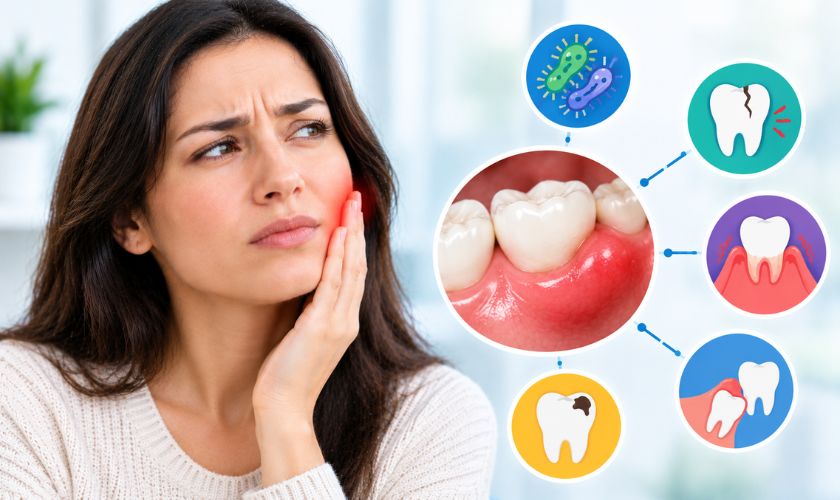
1. Dental Abscess or Infection
One of the most common reasons for sudden swelling around a tooth is a dental abscess. This condition develops when bacteria enter the inner portion of a tooth or surrounding gum tissue, leading to an accumulation of pus.
An abscess may result from untreated cavities, cracks, or previous dental injuries. Common symptoms include throbbing pain, gum swelling, sensitivity to temperature, a bad taste in the mouth, and sometimes fever.
A dental abscess will not usually resolve on its own. Professional evaluation is important because the infection may spread to nearby tissues if left untreated.
2. Advanced Gum Disease
Gum disease can also contribute to swelling around individual teeth. When plaque and bacteria accumulate along the gumline, they can cause inflammation, redness, and tenderness.
In more advanced cases, periodontal pockets may develop around teeth, allowing bacteria to collect beneath the gums. This can lead to localized swelling, bleeding, gum discomfort, and even tooth mobility.
Early evaluation and appropriate periodontal treatment can help control the infection and protect the supporting structures of your teeth.
3. Food Trapped Between Teeth
Sometimes, swelling occurs because food particles become lodged between two teeth or beneath the gumline. Hard or fibrous foods can irritate delicate gum tissue, resulting in localized inflammation.
You may experience tenderness, redness, or a swollen area near the affected tooth. Gentle flossing may help remove trapped food, but avoid using sharp objects or applying excessive pressure to the gums.
If the swelling continues after cleaning, a dental examination can help identify other possible causes.
4. Cracked or Damaged Tooth
A cracked tooth can allow bacteria to reach the inner structures, potentially causing inflammation or infection. Even a small fracture may lead to discomfort when biting, temperature sensitivity, and swelling around the affected area.
In some situations, the damage may not be visible without professional examination or dental imaging. Early diagnosis can help determine whether the tooth needs restorative treatment, root canal therapy, or another procedure.
5. Impacted or Partially Erupted Tooth
A tooth that has not fully emerged through the gums can create an area where food particles and bacteria become trapped. This is particularly common around partially erupted wisdom teeth.
The surrounding gum tissue may become red, swollen, and painful. This condition, known as pericoronitis, can also cause difficulty chewing, unpleasant breath, and discomfort when opening the mouth.
A professional examination can determine whether cleaning, medication, or another treatment is necessary.
When Should You Seek Professional Attention?
Sudden swelling around a tooth should never be ignored, particularly when it is accompanied by persistent pain, pus, fever, or increasing tenderness. Facial or neck swelling, difficulty swallowing, or difficulty breathing requires emergency medical attention.
Avoid attempting to drain a swollen area yourself. A dental professional can identify the underlying cause through an examination and appropriate imaging before recommending treatment.
At Archstone Dental & Orthodontics, patients can receive guidance about dental concerns and appropriate treatment options. Residents of Granbury, TX, should pay attention to sudden changes in their oral health and seek timely evaluation.
How Can You Reduce the Risk of Tooth Swelling?
Although not every dental problem can be prevented, maintaining consistent oral hygiene can reduce the risk of infections and gum inflammation.
Consider these preventive habits:
- Brush twice daily using fluoride toothpaste.
- Floss once a day to remove plaque and trapped food.
- Limit sugary snacks and beverages.
- Avoid chewing hard objects that may damage teeth.
- Schedule regular dental checkups and professional cleanings.
- Address cavities, gum problems, and tooth damage early.
If you notice unusual gum changes or discomfort, contact us to learn about appropriate next steps. You can also visit our dental office for an evaluation when dental concerns require professional attention.
Frequently Asked Questions
1. Can a tooth infection cause sudden gum swelling?
Yes. A tooth infection can cause bacteria and pus to accumulate around the tooth root or gums. This may result in sudden swelling, throbbing pain, tenderness, and sometimes fever.
2. Does sudden swelling around a tooth always mean an abscess?
No. Swelling can result from trapped food, gum inflammation, an impacted tooth, or an injury. A professional examination is necessary to identify the exact cause.
3. Can swollen gums around one tooth go away on their own?
Mild irritation may improve after removing trapped food and maintaining oral hygiene. However, swelling caused by infection generally requires professional evaluation and appropriate treatment.
4. How quickly can a dental abscess develop?
A dental abscess may develop over several days or longer, depending on the infection. Symptoms can sometimes appear suddenly, making early evaluation important to prevent complications.
5. Can a cracked tooth cause swelling around the gums?
Yes. A crack can allow bacteria to enter the tooth, potentially causing inflammation or infection. Swelling may develop alongside sensitivity, pain when biting, or persistent discomfort.
6. Is facial swelling from a tooth problem serious?
Facial swelling may indicate that a dental infection is spreading beyond the tooth. Seek urgent medical or dental assessment, especially if you experience fever or worsening symptoms.
7. How can I prevent swelling around my teeth?
Brush twice daily, floss regularly, limit sugary foods, and attend routine dental checkups. Treating cavities and gum problems early can help reduce the risk of swelling and infection.