

By Archstone Dental & Orthodontics | February 27, 2026
Getting a filling can feel scary, especially if it is your first time. Many people put off visiting the dentist because they fear the pain. But the truth is, modern dental fillings are much more comfortable than most people think. This guide walks you through every step so you know exactly what to expect.
Why Fillings Are Needed
Cavities happen when bacteria break down your tooth enamel. If a cavity is left untreated, it grows deeper and causes more damage. A filling stops that process. It removes the decay and seals the tooth so bacteria cannot get back in.
The sooner you catch a cavity, the smaller and easier the filling will be.
Do Dental Fillings Actually Hurt?
This is the most common question people ask. The short answer: not much.
Before the procedure starts, your dentist numbs the area around the tooth. You will feel a small pinch from the numbing injection, and after that, the area goes completely numb. Most patients feel pressure during the process but not pain.
If you feel anything sharp or uncomfortable, tell your dentist right away. They can add more numbing medicine. You are always in control.
Step-by-Step: What Happens During a Filling
1. Numbing the Area
Your dentist applies a topical gel first to reduce the sting of the injection. Then they inject a local anesthetic near the tooth. Within a few minutes, you will not feel anything in that area.
2. Removing the Decay
Using a small drill or laser, your dentist removes the decayed part of the tooth. You may hear a buzzing sound and feel vibration, but no pain.
3. Cleaning and Shaping
The area is cleaned to make sure all bacteria are gone. The tooth is shaped so the filling material bonds properly.
4. Placing the Filling
Your dentist fills the space with the chosen material, usually composite resin (tooth-colored) or amalgam (silver). Composite resin is popular because it blends in naturally with your teeth. For more on filling types, the American Dental Association offers helpful guidance.
5. Polishing and Bite Check
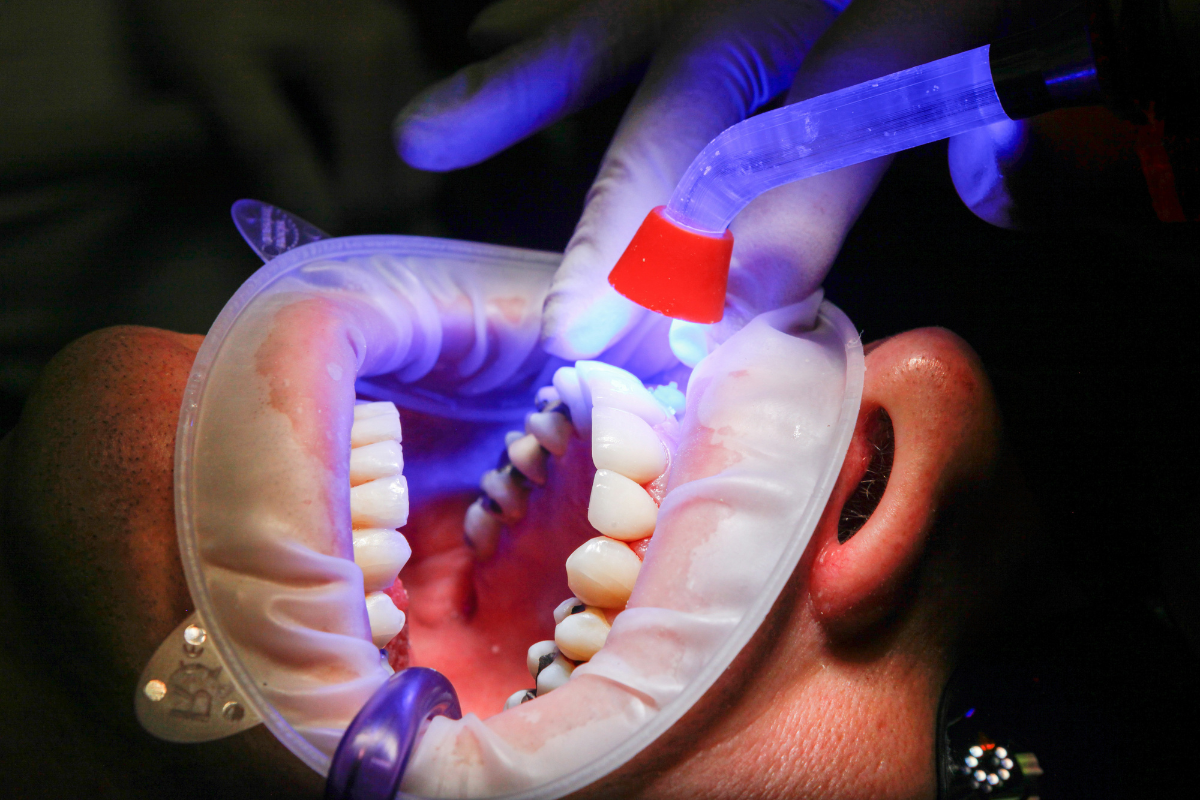
Once placed, the filling is hardened with a special light, then polished and shaped so it fits your bite. You may be asked to bite down on a thin paper to check the fit.
The whole process usually takes 30 to 60 minutes.
After the Filling: What to Expect
Once the numbness wears off (usually within 1 to 3 hours), you may feel mild soreness. This is normal and goes away within a day or two. Avoid very hot or cold foods right after the procedure.
If you notice any pain when biting down after a few days, contact your dentist. The filling may just need a small adjustment.
Types of Filling Materials
| Material | Appearance | Durability |
| Composite Resin | Tooth-colored | 5 to 10 years |
| Amalgam | Silver | 10 to 15 years |
| Ceramic | Tooth-colored | 15+ years |
| Gold | Gold | 15 to 20 years |
Your dentist will help you pick the right one based on the tooth location and your budget. The National Institute of Dental and Craniofacial Research shares more about how tooth decay progresses and how fillings help.
Tips to Make the Experience Easier
- Tell your dentist if you feel anxious. They can explain each step before doing it.
- Breathe slowly and steadily during the procedure.
- Ask for a break if you need one. It is okay to pause.
- Bring headphones and listen to music to stay calm.
How to Prevent Future Cavities
Fillings fix the problem, but prevention saves you time and money. Brush twice daily, floss every day, and visit your dentist every six months for a checkup and cleaning.
Drinking water with fluoride also helps protect your enamel. A dental professional can review your hygiene habits during regular checkups.
Frequently Asked Questions
1. How long does a dental filling take? Most fillings are done in 30 to 60 minutes, depending on the size and location of the cavity.
2. Will I be awake during the filling? Yes. A local anesthetic is used, so you are awake but the area is numb.
3. Can I eat after a filling? Wait until the numbness wears off before eating. Stick to soft foods for the rest of the day.
4. How long do fillings last? Composite fillings last 5 to 10 years. Amalgam fillings can last over 10 years with proper care.
5. Is it normal to have sensitivity after a filling? Yes, mild sensitivity is common for a few days. If it lasts longer, contact your dentist.
6. Can children get fillings? Yes. Children get fillings on baby teeth to prevent decay from spreading and to protect the permanent teeth underneath.
7. What happens if I skip a filling? The cavity will grow. It can reach the nerve of the tooth and lead to a root canal or tooth loss.
Conclusion
Dental fillings are one of the most routine procedures in dentistry. They are safe, fast, and far less uncomfortable than most people expect. If you have been putting off a visit because of fear, there is no need to wait any longer.
At Archstone Dental & Orthodontics in Aledo, Willow Park, the team is focused on making every patient feel at ease from the moment they walk in. Whether it is your first filling or your tenth, personalized care makes a real difference. If you have a tooth that has been bothering you or you are overdue for a checkup, schedule a consultation today. You can also contact a local dental office to ask any questions before your visit. Whether you are searching for a trusted dental provider or simply looking for reliable care
Related Articles