

By Archstone Dental & Orthodontics | February 25, 2026
The phrase “root canal” makes a lot of people nervous. But here is the truth: the procedure is far less scary than most people think. In fact, dentists use it as one of the most common ways to save teeth that would otherwise need to be pulled. If your dentist has recommended a root canal, this guide will walk you through exactly what to expect, step by step. No fluff, no fear. Just clear, honest information.
What Is a Root Canal?
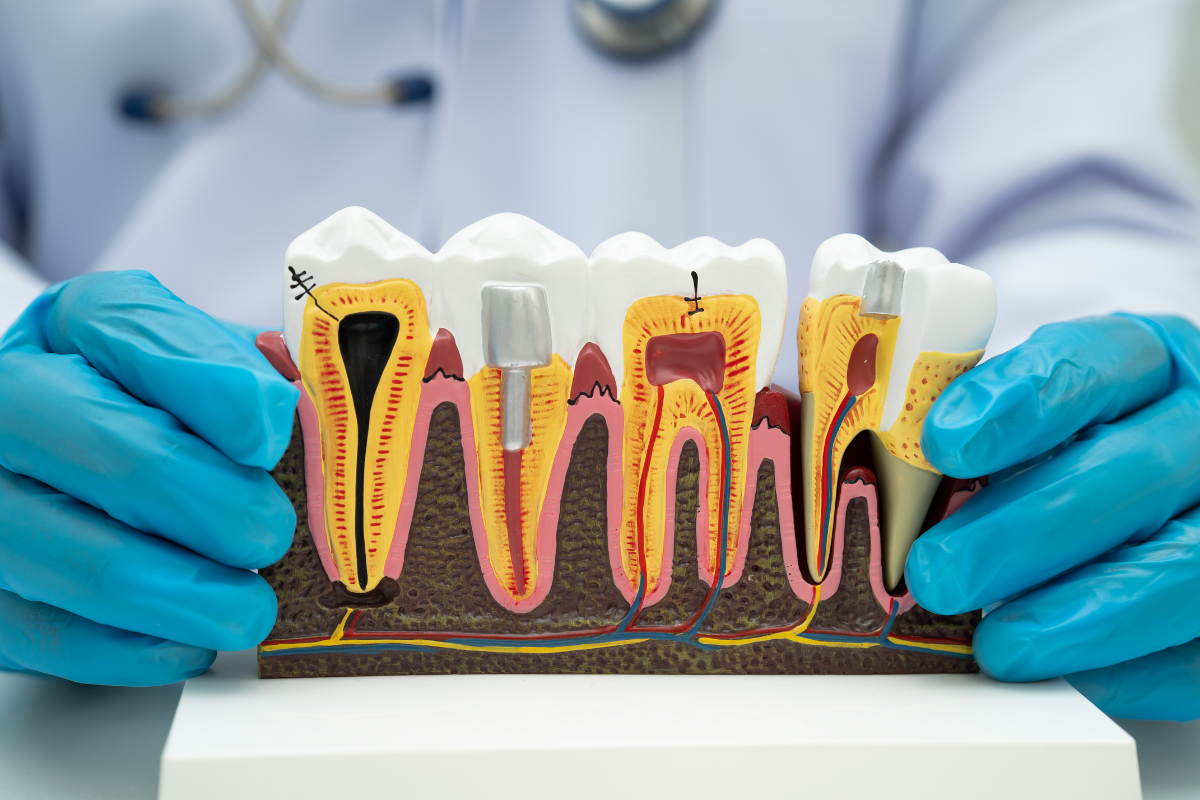
A root canal is a dental treatment used to clean out infection inside a tooth. Each tooth has a soft inner layer called the pulp, which contains nerves and blood vessels. When bacteria get inside through a crack or deep cavity, the pulp gets infected and causes pain, swelling, or sensitivity. To fix this, a root canal removes that infected tissue, cleans the tooth from the inside, and seals it to prevent future problems. The goal is to save your natural tooth.
Why Saving the Tooth Matters
Losing a tooth can lead to a chain of issues such as bone loss, shifting teeth, and changes to how you chew or speak. Fortunately, a root canal stops that from happening. The team at Archstone Dental & Orthodontics in Hulen, Fort Worth works to preserve your natural smile whenever possible. As your trusted dentist fort worth tx, our team believes informed patients make better decisions about their care.
The Root Canal Procedure: Step by Step
Step 1: X-Ray and Diagnosis
Before anything begins, your dentist takes an X-ray. This shows the shape of the root canals and helps identify where the infection is. Essentially, the image gives the dentist a clear map to work with before the procedure starts.
Step 2: Local Anesthesia
Your dentist numbs the area around the affected tooth using local anesthesia. You may feel a bit of pinching, but that is it. Once the area is numb, you should feel no pain during the entire procedure. Most patients are surprised by how comfortable they feel.
Step 3: Placing a Dental Dam
A small rubber sheet called a dental dam goes around the tooth. This keeps the area dry and free from saliva during the procedure. Additionally, it protects the rest of your mouth.
Step 4: Opening the Tooth
Using small dental tools, the dentist creates an opening in the top of the tooth. This gives access to the pulp chamber and root canals underneath.
Step 5: Removing the Infected Pulp
This is the core of the procedure. The dentist uses tiny files to remove the infected pulp, nerves, and bacteria from inside the canals. Then, the dentist carefully shapes and widens the canals so they can be cleaned and filled properly. According to the American Association of Endodontists, this step fully removes the source of infection so the tooth can heal.
Step 6: Cleaning and Disinfecting
Once the dentist removes the pulp, they rinse the canals with an antibacterial solution. This step kills any remaining bacteria and clears debris. Moreover, it is one of the most important steps for long-term success.
Step 7: Filling the Canals
After the dentist cleans and dries the canals, they fill them with a rubber-like material called gutta-percha. This seals the canals and prevents bacteria from getting back in. Finally, the dentist places a temporary or permanent filling on top.
Step 8: Placing a Crown
In most cases, a dental crown goes over the treated tooth. This restores its strength and protects it from breaking. Your dentist in Fort Worth will match the crown to the color of your natural teeth so it blends right in.
What to Expect After the Procedure
It is normal to feel some soreness for a few days after the procedure. Over-the-counter pain medicine usually handles it well. Furthermore, most people return to work or daily activities the next day. The Mayo Clinic notes that root canals have a high success rate and treated teeth can last a lifetime with proper care. Here are a few simple tips for recovery:
- Avoid chewing on the treated side until your crown is placed
- Take prescribed or recommended pain medicine as directed
- Brush and floss gently around the area
- Contact your dentist if pain gets worse or swelling increases
Common Root Canal Myths, Cleared Up
Many people delay care because of things they have heard. However, here is what is actually true:
- “Root canals are extremely painful.” Modern anesthesia makes the procedure very manageable. Most patients say it feels similar to getting a filling.
- “It is better to just pull the tooth.” Keeping your natural tooth is almost always the better choice for your long-term oral health.
- “Root canals cause illness.” This claim is based on old, disproven research. Root canals are safe and widely used.
Signs You May Need a Root Canal
Not sure if you need one? Look out for these signs:
- Severe toothache that does not go away
- Sensitivity to hot or cold that lingers
- Darkening of the tooth
- Swollen or tender gums near the tooth
- A small bump on the gum that looks like a pimple
If you notice any of these, reach out to your dentist fort worth tx as soon as possible. Early treatment means a faster recovery and better results.
Why Choose Archstone Dental & Orthodontics in Hulen Fort Worth
At Archstone Dental & Orthodontics, located in Hulen Fort Worth, our team uses up-to-date tools and techniques to make your visit as comfortable as possible. We take time to explain each step before we begin, so you always know what is happening. Moreover, we treat every patient with care and respect, from the first X-ray to the final crown. Whether you need a root canal or a routine cleaning, we are here to help you keep your smile healthy for life. As a leading dentist in Fort Worth, our goal is simple: your comfort and your health come first.
Frequently Asked Questions (FAQs)
1. How long does a root canal take? Most root canals take between 60 to 90 minutes. More complex cases or teeth with more canals may require a second appointment.
2. Is a root canal painful? No. Local anesthesia keeps you comfortable throughout. You may feel pressure, but not pain. Any soreness afterward is mild and temporary.
3. Do I need a crown after a root canal? In most cases, yes. A crown protects the tooth and restores its function. Your dentist will let you know based on your specific situation.
4. How do I know if the infection is gone after treatment? Your symptoms such as pain and swelling should go away within a few days. A follow-up X-ray confirms healing. If symptoms return, contact your dentist right away.
5. Can all teeth receive root canal treatment? Most teeth can. In rare cases, a tooth may be too damaged to save. Your dentist will assess the situation and discuss your options with you.
6. How much does a root canal cost? Cost varies depending on which tooth the dentist treats and your insurance plan. Front teeth are generally less expensive than back molars. Our team at Archstone Dental & Orthodontics can review your coverage before your appointment.
7. How long does a treated tooth last? With proper care, a treated tooth can last your whole life. Good brushing, flossing, and regular dental visits make a big difference. For further guidance, check out the American Dental Association on keeping your teeth healthy long-term.
Conclusion
A root canal is not something to fear. Instead, it is a routine, well-tested procedure that saves teeth and stops pain. Knowing what happens at each step can help you feel more at ease when the time comes. If you have been putting off treatment because of worry or uncertainty, now is the time to take action. Your oral health affects your overall health, and waiting only makes things worse.
Ready to take the next step? Schedule a consultation with Archstone Dental & Orthodontics in Hulen Fort Worth today. Our friendly team is here to answer your questions and help you feel comfortable before, during, and after your treatment. Alternatively, you can contact a local dental office near you if you are not sure where to start. Your smile is worth it.