
By Archstone Dental & Orthodontics | December 29, 2025
Finding the right dentist can feel overwhelming, especially when you’re new to an area or searching for better care. If you live in Granbury or the surrounding area, you want a dental practice that combines expertise, modern technology, and genuine care for patients.
At Archstone Dental & Orthodontics in Granbury, we’ve served with comprehensive dental services for years. As licensed dental professionals with advanced training in general dentistry and orthodontics, Dr. Tam Ngo and Dr. Ayoung Jo provide evidence-based care tailored to each patient’s unique needs.
This guide draws from our clinical experience treating thousands of patients in Granbury and reflects current best practices in dentistry. Whether you need routine cleaning, restorative work, or orthodontic treatment, choosing the right dentist makes all the difference in your oral health journey.
About the Authors: Your Trusted Granbury Dental Experts
Dr. Tam Ngo, DDS has dedicated his career to providing comprehensive dental care with a focus on patient comfort and advanced treatment techniques. Dr. Ngo stays current with the latest dental research and technology through regular continuing education courses.
Dr. Ayoung Jo, DDS brings expertise in both general dentistry and orthodontics to Archstone Dental & Orthodontics. Dr. Jo’s patient-centered approach combines clinical excellence with compassionate care, ensuring every patient receives personalized treatment plans based on their specific dental needs and goals.
Both doctors maintain active licenses with the Texas State Board of Dental Examiners and are members of professional dental organizations that require ongoing education and adherence to strict ethical standards.
What Makes a Dentist Trustworthy? Expert Insights
Based on our years of clinical practice and patient feedback, trust in dentistry comes from several key factors:
Professional Credentials and Training: A trusted dentist should hold a Doctor of Dental Surgery (DDS) or Doctor of Dental Medicine (DMD) degree from an accredited dental school. Look for dentists who pursue continuing education to stay current with evolving techniques and technology.
Evidence-Based Practice: Quality dental care follows established clinical guidelines from organizations like the American Dental Association. At Archstone Dental & Orthodontics, we base our treatment recommendations on peer-reviewed research and proven protocols.
Transparent Communication: Your dentist should explain diagnoses clearly, present treatment options with their risks and benefits, and involve you in decision-making. We believe informed patients achieve better outcomes.
Modern Technology and Sterilization: Current dental technology improves diagnosis accuracy and treatment comfort. Our Granbury office uses digital X-rays, which reduce radiation exposure by up to 90% compared to traditional film X-rays, and we follow CDC sterilization guidelines strictly.
8 Evidence-Based Tips for Optimal Dental Treatment Results
Based on clinical research and our experience treating patients in the Grunbary area, these strategies improve treatment outcomes and recovery:
1. Follow Post-Treatment Instructions Precisely
Clinical Evidence: Studies published in the Journal of Oral and Maxillofacial Surgery show that patients who follow post-operative instructions have significantly lower complication rates and faster healing times.
After any dental procedure at our Granbury practice, we provide detailed written instructions specific to your treatment. Following these guidelines isn’t optional—they’re based on decades of clinical research about optimal healing conditions.
Common post-treatment instructions include:
- Taking prescribed medications on schedule
- Avoiding certain foods or activities
- Applying ice or heat at specific intervals
- Monitoring for warning signs of complications
We encourage patients to call our office with any questions rather than guessing about care instructions. A five-minute phone call can prevent complications that take weeks to resolve.
2. Apply Cold Compresses Correctly for Swelling Management
Clinical Rationale: Cold therapy (cryotherapy) reduces inflammation by constricting blood vessels and decreasing metabolic activity in tissues. Research in dental journals confirms that proper cold compress use during the first 24 hours significantly reduces post-operative swelling.
Our recommended protocol:
- Apply cold packs for 15 minutes on, 15 minutes off
- Use only during the first 24 hours after procedures
- Wrap ice packs in a thin towel (never apply directly to skin)
- Position the pack on the outside of your cheek near the treatment area
After 24 hours, switch to warm compresses if recommended by your dentist. Heat increases blood flow, which promotes healing in the later stages of recovery.
3. Prioritize Rest for Proper Healing
Scientific Basis: Your body repairs tissues most effectively during rest periods. Physical activity increases blood pressure and heart rate, which can cause bleeding, dislodge blood clots, and slow healing.
Based on the type of procedure, we provide specific rest recommendations:
- Simple fillings: Resume normal activities the same day
- Extractions: Rest for 24-48 hours, avoid strenuous exercise for 3-5 days
- Implant surgery: Limited activity for 3-7 days depending on complexity
Sleep with your head elevated above heart level using extra pillows. This position reduces swelling and promotes drainage. Most patients notice significant improvement when they follow this simple advice.
4. Choose Appropriate Foods During Recovery
Nutritional Support for Healing: Your body needs adequate nutrition to heal, but food choices matter during dental recovery. Research shows that certain foods promote healing while others increase complication risks.
Recommended soft foods (first 3-5 days after major procedures):
- Protein-rich options: scrambled eggs, Greek yogurt, protein shakes, soft fish
- Nutrient-dense choices: mashed sweet potatoes, avocado, smoothies with leafy greens
- Comfortable temperatures: room temperature or cool foods (avoid hot items initially)
Foods to avoid:
- Hard or crunchy items that could damage healing tissues
- Sticky foods that could dislodge blood clots
- Acidic foods that may irritate surgical sites
- Very hot beverages that increase bleeding risk
At Archstone Dental & Orthodontics, we provide patients with specific dietary guidelines based on their procedure. Proper nutrition speeds recovery and reduces infection risk.
5. Maintain Optimal Oral Hygiene Without Compromising Healing
Infection Prevention: The oral cavity contains hundreds of bacterial species. While most are harmless, maintaining cleanliness prevents pathogenic bacteria from infecting treatment sites. Clinical studies show that patients who maintain good oral hygiene during recovery have fewer complications.
Our evidence-based hygiene protocol:
- Continue brushing twice daily with a soft-bristled brush
- Be gentle around treatment areas but don’t skip them entirely
- Rinse with warm salt water (½ teaspoon salt in 8 oz water) after meals
- Use any prescribed antimicrobial rinses as directed
- Avoid vigorous rinsing or spitting (can dislodge blood clots)
For patients in Granbury who’ve had extractions or oral surgery, we often recommend a specific gentle cleaning technique to protect healing sites while maintaining hygiene.
6. Eliminate Tobacco and Alcohol During Recovery
Clinical Evidence: Extensive research documents the negative impact of tobacco and alcohol on dental healing:
Tobacco effects:
- Reduces blood flow to healing tissues by up to 50%
- Increases infection risk by 3-4 times compared to non-smokers
- Significantly raises dry socket risk after extractions (up to 40% vs. 2-5% in non-smokers)
- Delays bone healing for implant procedures
Alcohol effects:
- Interacts with pain medications and antibiotics
- Thins blood, causing prolonged bleeding
- Irritates healing tissues
- Impairs immune function
As experienced dentists serving the area, we strongly advise patients to avoid tobacco for at least 72 hours (preferably longer) and alcohol until completing any antibiotic courses.
7. Monitor Recovery and Recognize Warning Signs
Patient Self-Assessment: While some discomfort after dental procedures is normal, certain symptoms require immediate attention. Our clinical experience shows that patients who monitor their recovery and contact us early about concerns have better outcomes.
Normal recovery signs:
- Mild to moderate discomfort that improves daily
- Minor swelling that peaks at 48 hours then decreases
- Some blood-tinged saliva in the first 24 hours
- Temporary numbness (if local anesthesia was used)
Warning signs requiring immediate contact:
- Severe pain that worsens after day three
- Excessive bleeding that doesn’t stop with gentle pressure
- Fever above 101°F
- Increasing swelling after 48 hours
- Pus or foul odor from the treatment site
- Difficulty breathing or swallowing
- Persistent numbness beyond expected duration
We provide all patients with our contact information and clear instructions about when to call. Never hesitate to reach out to your dentist with concerns.
8. Attend All Scheduled Follow-Up Appointments
Continuity of Care: Follow-up appointments aren’t just courtesy checks. These visits serve critical clinical purposes:
- Assess healing progress and identify complications early
- Remove sutures if placed
- Adjust treatments based on your response
- Verify that the procedure achieved intended results
- Answer questions that arise during recovery
Research shows that patients who attend follow-up appointments have lower rates of treatment failure and complications. At Archstone Dental & Orthodontics, we schedule follow-ups based on the specific procedure and your individual needs.
If you must reschedule, contact our Granbury office immediately to book another appointment within the recommended timeframe.
Real Patient Experience in Granbury
Patient testimonial verified and used with permission
“Very pleased with my cleaning. Hygienist did an excellent job. May be the best cleaning I’ve ever had. Dr Jo was very thorough with her exam and let me know my options. No pressure to spend a lot of money.” – P. Sprinkle
Why Choose Archstone Dental & Orthodontics in Granbury?
Comprehensive Care Under One Roof: Unlike practices that refer patients elsewhere for specialized treatments, we offer both general dentistry and orthodontics at our location. This integrated approach ensures continuity of care and saves you time.
Advanced Technology: Our investment in modern dental technology includes:
- Digital X-rays with 90% less radiation exposure
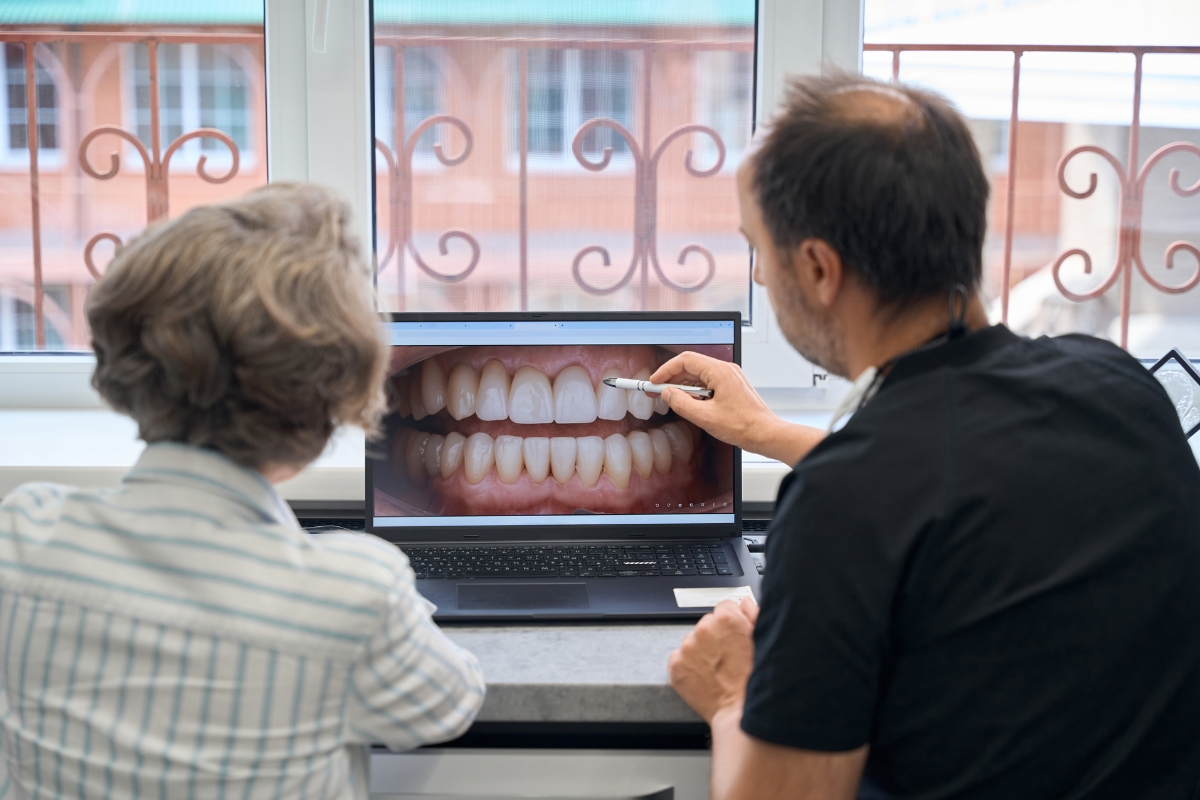
- Intraoral cameras for detailed visual examination
- Digital impressions for greater comfort and accuracy
- Sterilization systems exceeding CDC guidelines
Patient-Centered Philosophy: Dr. Tam Ngo and Dr. Ayoung Jo built Archstone Dental & Orthodontics on the principle that excellent clinical care must be paired with genuine compassion. We listen to your concerns, explain options clearly, and respect your treatment preferences.
Flexible Scheduling and Insurance Assistance: We understand that Granbury families have busy schedules. Our office offers convenient appointment times and our experienced staff helps maximize your dental insurance benefits.
Take the Next Step Toward Optimal Oral Health
Don’t wait for a dental emergency to establish care with a trusted dentist. Regular preventive visits catch problems early when they’re simpler and less expensive to treat.
Schedule your appointment at Archstone Dental & Orthodontics today:
- New patient comprehensive exams
- Routine cleanings and preventive care
- Restorative dentistry (fillings, crowns, bridges)
- Cosmetic treatments (whitening, veneers)
- Orthodontic consultations
- Emergency dental services
Contact our Granbury office to book your appointment. Dr. Tam Ngo and Dr. Ayoung Jo welcomes new patients and families throughout.
Frequently Asked Questions: Expert Answers from Your Granbury Dentists
How often should I visit a dentist?
Dr. Ngo’s Answer: The American Dental Association recommends dental check-ups at intervals determined by your individual risk factors. For most patients with good oral health, we recommend visits every six months. However, if you have active gum disease, a history of frequent cavities, diabetes, or other risk factors, we may recommend visits every 3-4 months.
These aren’t arbitrary recommendations—they’re based on research about how quickly plaque accumulates and how often we need to monitor certain conditions to catch problems early.
What dental services does Archstone Dental & Orthodontics provide?
Dr. Jo’s Answer: We offer comprehensive dental care at our Granbury location, including:
- Preventive care: Cleanings, exams, fluoride treatments, sealants, oral cancer screenings
- Restorative dentistry: Fillings, crowns, bridges, dentures, dental implants
- Cosmetic dentistry: Teeth whitening, veneers, bonding
- Orthodontics: Traditional braces, clear aligners
- Emergency dental care: Same-day appointments for dental emergencies
Our goal is to provide complete care for Granbury families without unnecessary referrals. When specialized care beyond our expertise is needed, we work with trusted specialists in the area.
Do you accept dental insurance plans?
Practice Manager Answer: Yes, Archstone Dental & Orthodontics is in-network with most major dental insurance carriers serving the area. Our team will verify your benefits before treatment and provide a clear estimate of your out-of-pocket costs.
For patients without dental insurance, we offer:
- Transparent pricing discussed before treatment
- Flexible payment plans
- Discount programs for preventive care
We believe cost should never prevent you from receiving necessary dental care.
What constitutes a dental emergency, and how do you handle them?
Dr. Ngo’s Answer: Based on my years treating dental emergencies in Granbury, these situations require immediate care:
- Severe tooth pain that doesn’t respond to over-the-counter medication
- A knocked-out permanent tooth (time-sensitive—seek care within 30 minutes if possible)
- Broken or dislodged dental restorations causing pain
- Facial swelling or signs of infection
- Uncontrolled bleeding from the mouth
- Jaw injuries or suspected fractures
For established patients of our practice, call our office immediately. We prioritize emergency cases and typically see urgent patients the same day. For after-hours emergencies, our voicemail provides instructions for reaching on-call staff.
How should I prepare for my first appointment at your Granbury office?
Dr. Jo’s Answer: To make your first visit productive:
Bring with you:
- Photo ID and insurance card
- List of current medications (including over-the-counter supplements)
- Medical history information (recent surgeries, chronic conditions, allergies)
- Previous dental records if available (we can also request these)
Arrive 10-15 minutes early to complete paperwork, or ask about online forms you can fill out beforehand.
Write down questions or concerns you want to discuss. We set aside adequate time for new patient appointments specifically to address your questions.
Inform us about dental anxiety: If you feel nervous about dental visits, tell our staff when scheduling. We can discuss sedation options and take extra steps to ensure your comfort.
Are dental X-rays safe? How often do I need them?
Dr. Ngo’s Clinical Answer: Dental X-rays are very safe and provide essential diagnostic information. The radiation exposure from modern digital X-rays (which we use exclusively) is minimal—a full set of dental X-rays exposes you to less radiation than a cross-country airplane flight.
At Archstone Dental & Orthodontics, we follow the ALARA principle (As Low As Reasonably Achievable). We only take X-rays when clinically necessary:
- Bitewing X-rays: Every 12-24 months for most adults to detect cavities between teeth
- Periapical X-rays: When investigating specific tooth pain or problems
- Panoramic X-rays: Every 3-5 years or when planning orthodontic treatment or implants
Pregnant patients should inform us, and we’ll postpone elective X-rays until after delivery unless emergency diagnosis requires them (in which case we use additional shielding).
What’s the difference between general dentistry and orthodontics?
Dr. Jo’s Answer: General dentists like Dr. Ngo and myself complete four years of dental school and focus on overall oral health—preventing, diagnosing, and treating conditions affecting teeth, gums, and jaw. We perform cleanings, fillings, crowns, extractions, and many other procedures.
Orthodontics is a specialized branch of dentistry focused on correcting misaligned teeth and bite problems. While some general dentists offer basic orthodontic services (as we do at Archstone Dental & Orthodontics), complex cases may require specialists who completed an additional 2-3 years of orthodontic residency.
Our dual expertise in general dentistry and orthodontics allows us to provide coordinated care. For example, we can address gum health issues before starting orthodontic treatment, ensuring better outcomes.
How can I maintain good oral health between visits to my dentist?
Dr. Ngo’s Evidence-Based Recommendations:
Daily habits proven to prevent dental disease:
- Brush twice daily for two minutes using fluoride toothpaste and a soft-bristled brush (manual or electric)
- Floss once daily—research shows flossing reduces interproximal cavities that brushing alone misses
- Limit sugar exposure—both frequency and amount matter; constant snacking is worse than one dessert with a meal
- Drink fluoridated water—Granbury’s water supply contains optimal fluoride levels for cavity prevention
- Avoid tobacco—smoking increases gum disease risk by 300-400%
- Replace toothbrushes every 3 months or when bristles fray
Diet considerations: Foods high in calcium and phosphorus (dairy, nuts, lean proteins) help remineralize teeth. Crunchy vegetables stimulate saliva production, which naturally protects teeth.
These evidence-based practices prevent most common dental problems and keep your smile healthy between professional cleanings.
Conclusion: Your Partner in Oral Health
Finding a trusted dentist is one of the most important healthcare decisions you’ll make. Quality dental care prevents painful problems, preserves your natural teeth, and contributes to your overall health—research links oral health to heart disease, diabetes management, and other systemic conditions.
At Archstone Dental & Orthodontics in Granbury, Dr. Tam Ngo and Dr. Ayoung Jo combine clinical expertise, advanced technology, and genuine compassion to deliver dental care that exceeds expectations. We’ve built our practice on evidence-based treatments, transparent communication, and lasting relationships with patients throughout the community.
Whether you need routine preventive care, complex restorative work, or orthodontic treatment, we’re here to guide you toward optimal oral health. Your relationship with your dentist should be a partnership based on trust, open communication, and shared commitment to your wellbeing.
Ready to experience the Archstone difference? Contact our Granbury office today to schedule your comprehensive dental examination. We look forward to welcoming you to our dental family and helping you achieve the healthy, confident smile you deserve.