By Archstone Dental & Orthodontics | October 13, 2026
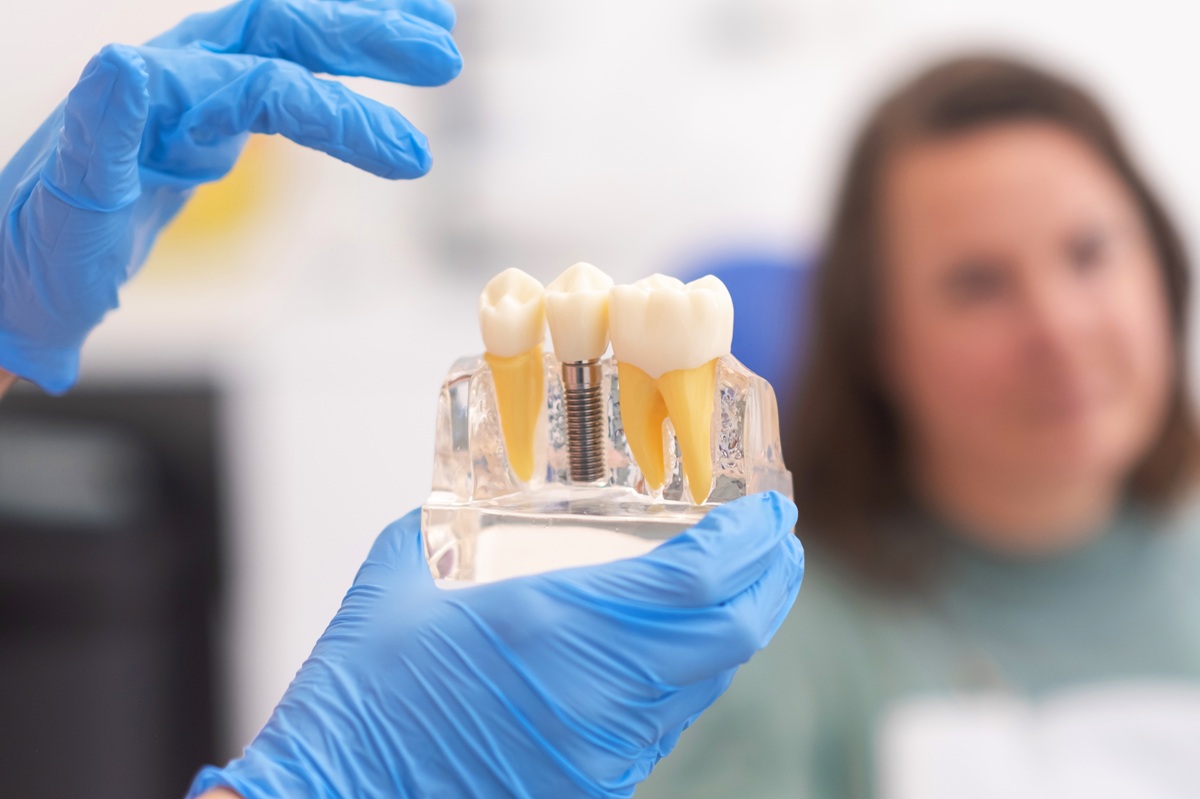
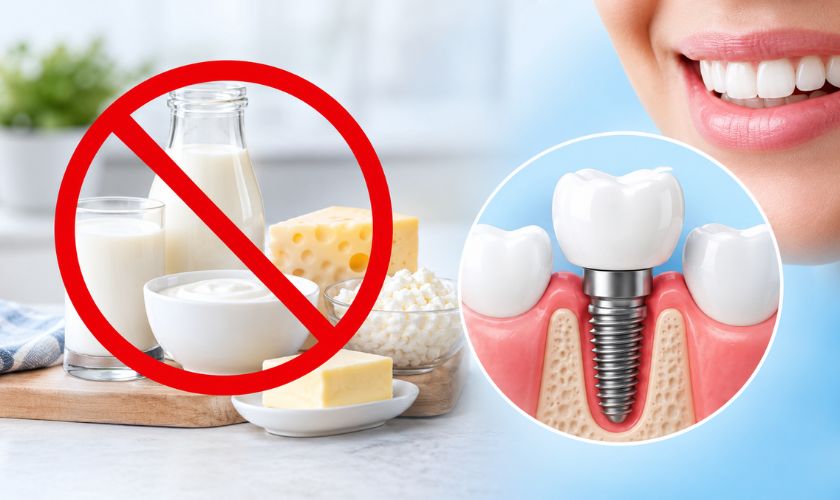
Dental implant surgery is an important step towards restoring your smile, improving chewing ability, and replacing missing teeth. However, proper aftercare is essential for comfortable healing and long-term implant success. One question patients often ask is whether they should avoid dairy products after dental implant surgery.
The advice about dairy can vary depending on your dentist’s instructions, the type of procedure, and your individual recovery needs. Some dental professionals recommend temporarily avoiding certain dairy products immediately after surgery, while others allow them as part of a soft-food diet. Understanding why these recommendations differ can help you make informed choices during recovery.
Why Do Some Dentists Recommend No Dairy After Dental Implants?
After dental implant surgery, your gums and surrounding tissues need time to heal. The implant must also begin integrating with the jawbone through a process called osseointegration. During the early recovery period, your dentist may recommend dietary precautions to support healing and reduce discomfort.
Some dentists advise avoiding dairy products for a short period because milk, cheese, yoghurt, and other dairy foods may cause nausea in certain patients, particularly after sedation or general anaesthesia. Thick dairy products can also leave residue in the mouth, which may be uncomfortable around a surgical site.
However, dairy products do not universally interfere with dental implant healing, and there is limited scientific evidence that routinely avoiding all dairy improves implant success. The most appropriate dietary advice depends on your procedure, medical history, and your dentist’s specific instructions.
Which Dairy Products Might You Need to Avoid?
If your dental professional recommends temporarily avoiding dairy, you may need to adjust your meals for the period they specify. Common dairy products to discuss with your dentist include:
- Milk: Drinking milk may be permitted after some procedures, but follow your dentist’s instructions, particularly if you feel nauseated after sedation.
- Yoghurt: Smooth yoghurt is often suitable as a soft food when permitted. Avoid varieties containing hard granola, seeds, or crunchy toppings.
- Cheese: Soft cheese may be easy to chew, but firmer varieties can put pressure on the surgical area.
- Ice cream: Smooth ice cream may feel soothing, but avoid hard mix-ins, nuts, and crunchy pieces. Choose options without dairy if your dentist recommends avoiding it.
- Cream-based soups: These can provide calories and comfort, although they should be served lukewarm rather than hot.
Avoiding these foods is not necessary for every dental implant patient. If your dentist has not specifically restricted dairy, ask whether you can include suitable options in your recovery diet.
What Can You Eat Instead of Dairy After Implant Surgery?
If dairy products are temporarily restricted, you can still enjoy a variety of nutritious foods that require minimal chewing. Choosing soft, balanced meals helps you maintain energy and obtain nutrients needed for tissue repair.
Consider these alternatives:
1. Smooth vegetable soups: Blended pumpkin, carrot, or potato soup provides vitamins and nutrients. Allow the soup to cool to a lukewarm temperature before eating.
2. Mashed potatoes: Soft mashed potatoes offer carbohydrates and energy. Prepare them with olive oil or a suitable non-dairy alternative if dairy is restricted.
3. Scrambled eggs: Soft, well-cooked scrambled eggs provide protein, which supports tissue repair. Make sure they are not too hot when served.
4. Oatmeal: Well-cooked oatmeal is easy to eat when cooled to a comfortable temperature. Prepare it with water or an appropriate plant-based milk.
5. Smoothies: Blend soft fruits with water or a suitable non-dairy milk. Avoid seeds, hard ingredients, and straws during the initial recovery period if your dentist advises against them.
6. Soft fish: Tender, boneless fish can provide protein and healthy fats. Ensure that it is moist, thoroughly cooked, and easy to chew.
7. Mashed avocado: Avocado has a soft texture and contains healthy fats. Mash it thoroughly and eat it with a spoon rather than pairing it with crunchy toast.
Try to maintain a balanced diet rather than relying entirely on liquids. Your nutritional needs may be higher during recovery, so include suitable sources of protein, vitamins, minerals, and calories.
How Long Should You Avoid Dairy After Dental Implant Surgery?
There is no universal rule requiring patients to avoid dairy for a specific number of days after dental implant placement. Some dentists permit dairy immediately, while others recommend a temporary restriction based on the procedure or the patient’s circumstances.
Your dentist may provide different instructions if you have undergone bone grafting, sinus lifting, multiple implant placements, or other additional procedures. Follow the recovery plan provided for your specific treatment instead of relying on general dietary rules.
During the first few days, focus on soft foods, adequate hydration, and gentle oral hygiene. Avoid chewing directly over the surgical site, eating very hot foods, and consuming hard, crunchy, or sticky items that could irritate the area.
If you experience persistent vomiting, worsening swelling, fever, increasing pain, or unusual discharge, contact your dental provider promptly. These symptoms may require professional assessment rather than dietary adjustments alone.
Tips for a Smooth Dental Implant Recovery in Granbury
Following the right aftercare routine can make recovery more manageable and help protect the implant site.
- Follow all post-operative instructions provided by your dentist.
- Take prescribed medications exactly as directed.
- Drink sufficient water, but avoid using a straw when advised against it.
- Keep your mouth clean using the recommended brushing and rinsing techniques.
- Avoid smoking and tobacco products, which can interfere with healing.
- Attend scheduled follow-up appointments so your dentist can monitor recovery.
- Choose soft, nutrient-rich foods and gradually return to your usual diet when approved.
If you have questions about your diet or recovery, an experienced implant dentist in Granbury can explain which foods are appropriate for your particular procedure. Personalised guidance is especially useful if you have dietary restrictions, food allergies, or other medical conditions that affect healing.
At Archstone Dental & Orthodontics Granbury, patients can seek guidance on dental implant care, recovery expectations, and maintaining oral health after treatment. Understanding what to eat and what to avoid can help you feel more confident throughout the healing process.
For questions about your post-operative diet or concerns about your healing progress, contact us to discuss your needs and receive appropriate guidance.
Frequently Asked Questions
- Why should you avoid dairy after dental implant surgery?
Some dentists recommend temporarily avoiding dairy because it may trigger nausea after sedation or be uncomfortable to consume following surgery. However, dairy is not universally prohibited and does not automatically prevent implant healing.
- Can I drink milk after getting a dental implant?
Many patients can drink milk after implant surgery if their dentist permits it. If you have been instructed to avoid dairy or feel nauseated after sedation, choose an appropriate alternative until your dentist advises otherwise.
- Can I eat yoghurt after dental implant surgery?
Smooth yoghurt may be suitable because it requires little chewing, provided your dentist allows dairy. Avoid varieties with seeds, nuts, or crunchy toppings that could irritate the surgical area during early healing.
- How many days should I avoid dairy after dental implants?
There is no standard number of days for avoiding dairy after implant surgery. Follow your dentist’s individual instructions, as recommendations can vary according to the procedure, sedation, and your recovery progress.
- What foods are best immediately after dental implant surgery?
Soft foods such as mashed potatoes, lukewarm blended soups, scrambled eggs, and smooth oatmeal are often suitable. Choose nutritious options that require minimal chewing, and avoid very hot, hard, or crunchy foods.
- Does dairy slow down dental implant healing?
There is no strong evidence that dairy products routinely slow dental implant healing. Dairy can provide protein and calcium, but individual restrictions may apply depending on your procedure, medical history, or response to sedation.
- When can I return to my normal diet after dental implant surgery?
You can gradually return to your normal diet as tenderness improves and your dentist approves. The timeline varies depending on surgical complexity and healing, so avoid putting excessive pressure on the implant site too soon.
Related Articles