

By Archstone Dental & Orthodontics | May 18, 2026
Swollen gums are one of those things that many people ignore until the pain becomes too much to handle. Maybe you noticed some puffiness near a tooth, or your gums bled when you brushed. Either way, swollen gums are your body sending a clear signal that something is off. If you have been searching for a dentist near me in the Granbury area, knowing what causes swollen gums and when to act is the first step toward better oral health.
What Do Swollen Gums Actually Mean?
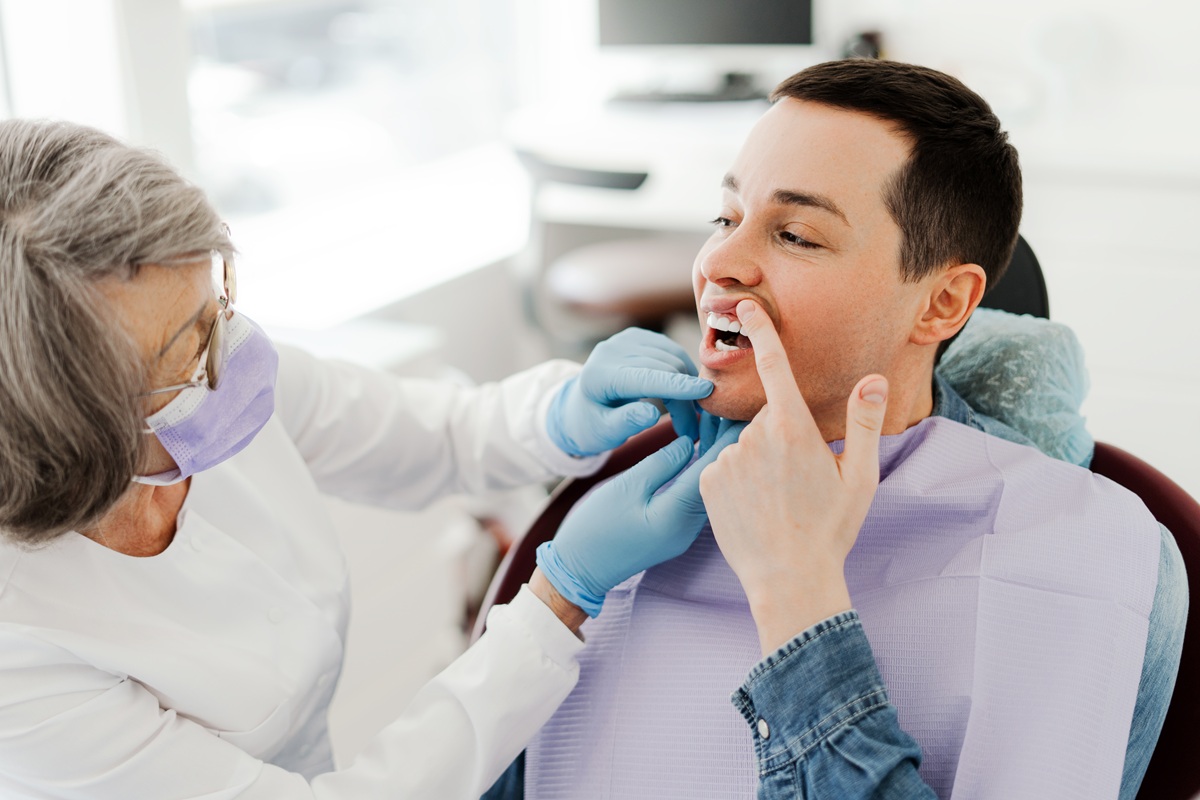
Swollen gums look puffy, red, or tender around the base of your teeth. They may bleed when you brush or floss. In some cases, they feel sore even without touching them.
This is not just a cosmetic issue. Your gum tissue is closely connected to your overall health. When gums stay inflamed for a long time, the problem can go deeper into the bone that supports your teeth.
Common Causes of Swollen Gums
1. Gum Disease (Gingivitis and Periodontitis)
Gingivitis is the most common cause of swollen gums. It starts when plaque builds up along the gumline. Plaque is a sticky film full of bacteria. If it is not removed by brushing and flossing, it hardens into tartar, which only a dentist can remove.
Without treatment, gingivitis can turn into periodontitis, a more serious infection that damages the bone beneath your gums. According to the Centers for Disease Control and Prevention (CDC), nearly half of adults over 30 in the U.S. have some form of gum disease.
2. Poor Oral Hygiene
Skipping brushing or flossing allows bacteria to thrive. This is the most straightforward cause, and also the most preventable.
3. Hormonal Changes
Pregnancy, puberty, and menopause can all trigger swollen gums. Hormones change how your body responds to bacteria in the mouth, making gums more sensitive and prone to inflammation.
4. Nutritional Deficiencies
Low levels of vitamin C or vitamin B can cause gum problems. A balanced diet plays a bigger role in oral health than most people realize.
5. Ill-Fitting Dental Work
Dentures, braces, or crowns that do not fit well can irritate the gum tissue constantly. This leads to chronic swelling if not corrected.
6. Infections
A tooth abscess or a viral infection like herpes can cause localized gum swelling. These cases need prompt care from a qualified provider.
When Should You See a Dentist?
Not every case of swollen gums is an emergency, but some situations need quick attention. You should see a provider right away if:
- The swelling is severe and spreading
- You have a fever along with gum pain
- A tooth feels loose
- There is a pus-filled bump near a tooth
- The pain is stopping you from eating or sleeping
In these situations, reaching out to an emergency dentist in Granbury is the right move. At Archstone Dental and Orthodontics Granbury, the team is equipped to assess and treat urgent gum issues without making you wait for weeks.
How Are Swollen Gums Treated?
Treatment depends on what is causing the swelling.
Professional Cleaning
For early-stage gum disease, a deep cleaning called scaling and root planing removes tartar from below the gumline. This is often enough to bring the gums back to health.
Antibiotics
When infection is present, your dentist may prescribe a mouth rinse, topical gel, or oral antibiotic to control bacterial activity.
Surgical Options
For advanced periodontitis, pocket reduction surgery or bone grafting may be needed. These procedures restore the structure that bacteria have broken down over time.
Addressing the Root Cause
If swelling is caused by a poorly fitting crown or nutritional gaps, fixing those issues will resolve the inflammation naturally.
The American Academy of Periodontology provides a helpful breakdown of treatment options based on how advanced the condition is.
How to Prevent Swollen Gums
Prevention is simple and consistent:
- Brush twice a day with a soft-bristle toothbrush
- Floss once daily to remove food and plaque between teeth
- Use an antibacterial mouth rinse if recommended
- Drink enough water to keep the mouth from drying out
- Schedule regular cleanings every six months
The National Institute of Dental and Craniofacial Research (NIDCR) confirms that consistent oral hygiene and routine dental visits are the most reliable way to prevent gum disease from progressing.
Frequently Asked Questions (FAQs)
Q1: Can swollen gums go away on their own? Mild cases caused by irritation may improve with better brushing and flossing. But if swelling lasts more than a week, see a dentist.
Q2: Is swollen gum a dental emergency? It depends on the severity. If you have pain, fever, or pus, treat it as urgent and visit an emergency dentist in Granbury promptly.
Q3: Can stress cause swollen gums? Yes. Stress weakens the immune system, which makes it harder for your body to fight gum infections.
Q4: Are swollen gums linked to heart disease? Research shows a connection between gum disease and cardiovascular health. Chronic oral inflammation may raise your risk of heart problems over time.
Q5: What foods should I avoid with swollen gums? Sugary drinks, acidic foods, and hard snacks can irritate already inflamed gums. Soft, non-acidic foods are easier on your mouth during flare-ups.
Q6: Can children get swollen gums? Yes. Children can develop gingivitis too, especially during teeth eruption or if their brushing habits are inconsistent.
Q7: How long does it take for swollen gums to heal after treatment? With professional cleaning and good home care, many patients see improvement within one to two weeks.
Conclusion
Swollen gums are not something to wait on. Whether the cause is gum disease, infection, or a dental appliance that is not fitting right, getting the right care early makes a real difference. If you have been putting it off because you are not sure where to start, now is the time to take action.
At Archstone Dental and Orthodontics Granbury, the team understands that every patient’s situation is different. The best next step is to schedule a consultation to get a proper diagnosis and a clear treatment plan. You can also contact a local dental office to ask questions before your first appointment.
If you are looking for a trusted dentist near me who will treat your gum concerns with honesty and care, Archstone Dental is ready to help you get there.