
By Archstone Dental & Orthodontics | March 20, 2026
If you recently got dental implants or you are thinking about it, you probably have a few questions. How do you take care of them? How long do they last? What should you avoid? These are all fair things to wonder about. The good news is that implants are built to last, and with the right care, most people keep them for life.
At Archstone Dental & Orthodontics in Granbury, TX, we see patients every day who want to protect their investment and keep their smile healthy for years to come. This guide walks you through everything you need to know, without the confusing dental jargon.
What Makes Dental Implants Different from Other Options
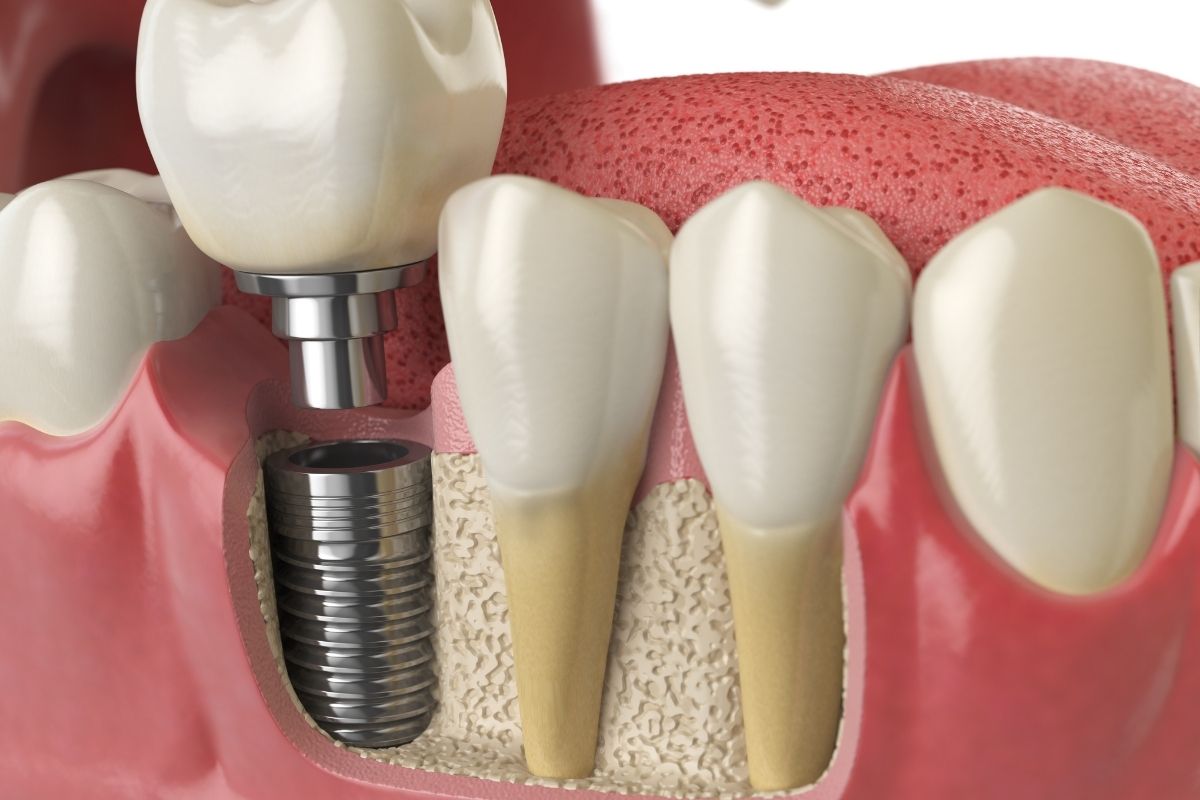
Unlike dentures or bridges, dental implants are placed directly into your jawbone. A small titanium post acts as a root, and a crown sits on top of it. This makes them feel and work just like a natural tooth.
Because they connect to bone, they need proper care, not just for looks, but for your overall oral health. Without the right habits, the gum and bone around them can break down over time. That condition is called peri-implantitis, and it is one of the main reasons implants fail.
The American Academy of Implant Dentistry reports that more than 3 million people in the U.S. have implants, and that number grows by about 500,000 each year. With so many people choosing this option, knowing how to care for them properly has become more important than ever.
Daily Habits That Keep Your Implants in Good Shape
Brushing the Right Way
Use a soft-bristled toothbrush and brush gently around the implant area twice a day. Hard bristles can scratch the crown and irritate the gums nearby. A small-headed electric toothbrush can also work well if you find it easier to use.
Avoid any toothpaste with abrasive particles, like whitening formulas with microbeads. These can wear down the surface of your crown over time.
Flossing Around Implants
Regular floss works, but implant-specific floss or a water flosser makes cleaning the area around the base of the implant much easier. Bacteria love to collect there, and if left alone, they can cause gum inflammation that leads to bone loss.
Aim to floss at least once a day, ideally at night before bed. It takes just a couple of minutes and can make a real difference in how long your implant lasts.
Using Mouthwash Wisely
An alcohol-free antibacterial mouthwash can help reduce bacteria around your implant. Alcohol-based rinses can dry out your mouth, which actually makes bacterial growth worse over time. Look for options with chlorhexidine or cetylpyridinium chloride if your dentist suggests a stronger rinse.
Foods and Habits That Can Damage Your Implants
You do not need to follow a strict diet after your healing period is over, but a few things are worth watching:
- Hard or crunchy foods: Ice, hard candies, and popcorn kernels can chip or crack your crown.
- Sticky foods: Taffy and gummy candy can pull at the crown if it is not fully bonded.
- Tobacco: Smoking reduces blood flow to the gums, which slows healing and raises the risk of implant failure significantly.
- Grinding your teeth: If you grind at night, talk to your dentist about a night guard. Grinding puts a lot of pressure on implants.
Why Regular Checkups Matter
Even when your implant feels fine, routine visits to a dentist in the Granbury, Texas area are a must. X-rays and visual checks help catch early signs of bone loss or gum problems before they become serious.
Most people with implants visit their dentist every six months, just like with natural teeth. Some patients with a history of gum disease may need to come in more often. Your dentist will let you know what schedule makes sense for you.
The American Dental Association has a helpful overview of how implants work and what to expect during follow-up care.
Warning Signs You Should Not Ignore
Call your dentist right away if you notice any of these:
- Pain or discomfort around the implant site that does not go away
- Swelling or redness in the gum area
- The implant feels loose or moves when you press on it
- Bleeding when brushing or flossing around the site
Catching these problems early gives your dentist the best chance of saving the implant. Waiting too long can make the situation much harder to treat.
Frequently Asked Questions About Dental Implants
How long do dental implants last?
With proper care, dental implants can last 20 to 30 years or even a lifetime. The crown on top may need to be replaced after 10 to 15 years depending on wear.
Do implants need special cleaning products?
Not necessarily. A soft toothbrush, non-abrasive toothpaste, and implant-friendly floss or a water flosser are usually enough. Your dentist may suggest specific products based on your situation.
Can I get an implant if I have gum disease?
Active gum disease needs to be treated before an implant is placed. Healthy gums and good bone support are both needed for the implant to bond properly.
Is it normal to feel some discomfort after getting an implant?
Yes, some swelling and soreness in the first few days after surgery is normal. That typically eases within a week. If the pain gets worse after that, contact your dentist.
What happens if an implant fails?
If the bone does not bond properly with the implant post, the implant may need to be removed. After the area heals, another attempt can often be made. Failure is not very common but does happen in some cases.
How soon can I eat normally after getting an implant?
Most patients stick to soft foods for the first week or two after surgery. As healing progresses, you can slowly go back to your regular diet. Your dentist will guide you through this.
Does insurance cover dental implants?
Coverage varies widely. Some dental plans cover part of the cost, while others do not cover implants at all. It is worth calling your insurance provider directly to find out what your plan includes.
Take the Next Step for Your Smile
Caring for your dental implants does not have to be complicated. A consistent daily routine, smart food choices, and regular visits to a trusted dentist in the Granbury, Texas area will go a long way toward keeping your implant healthy and stable for years to come.
If you have questions about your implant or you are thinking about getting one, the team at Archstone Dental & Orthodontics is here to help. We believe in giving patients clear, honest information so you can feel confident in every decision you make about your dental health.